
Why all-hands offsites are mission-critical for distributed teams
Remote work delivers extraordinary leverage — global hiring, deep focus time, lower overhead — but it quietly accumulates a tax. Context drifts between functions. Trust frays at the seams. Senior leaders lose the unscripted hallway conversations that used to surface real problems early. None of these costs show up on a single dashboard, which is precisely why they tend to be ignored until something breaks.
An annual all-hands offsite is the antidote. Done well, it compresses six to twelve months of relationship-building, alignment and culture transmission into four or five high-bandwidth days. Done poorly, it becomes an expensive vacation that everyone forgets within a fortnight. The difference is almost entirely in the planning.
If you're new to large-format planning, our Complete Company Retreat Planning Guide walks through the full framework from goal-setting to ROI measurement.
Designing for scale: the 100-to-500-person reality
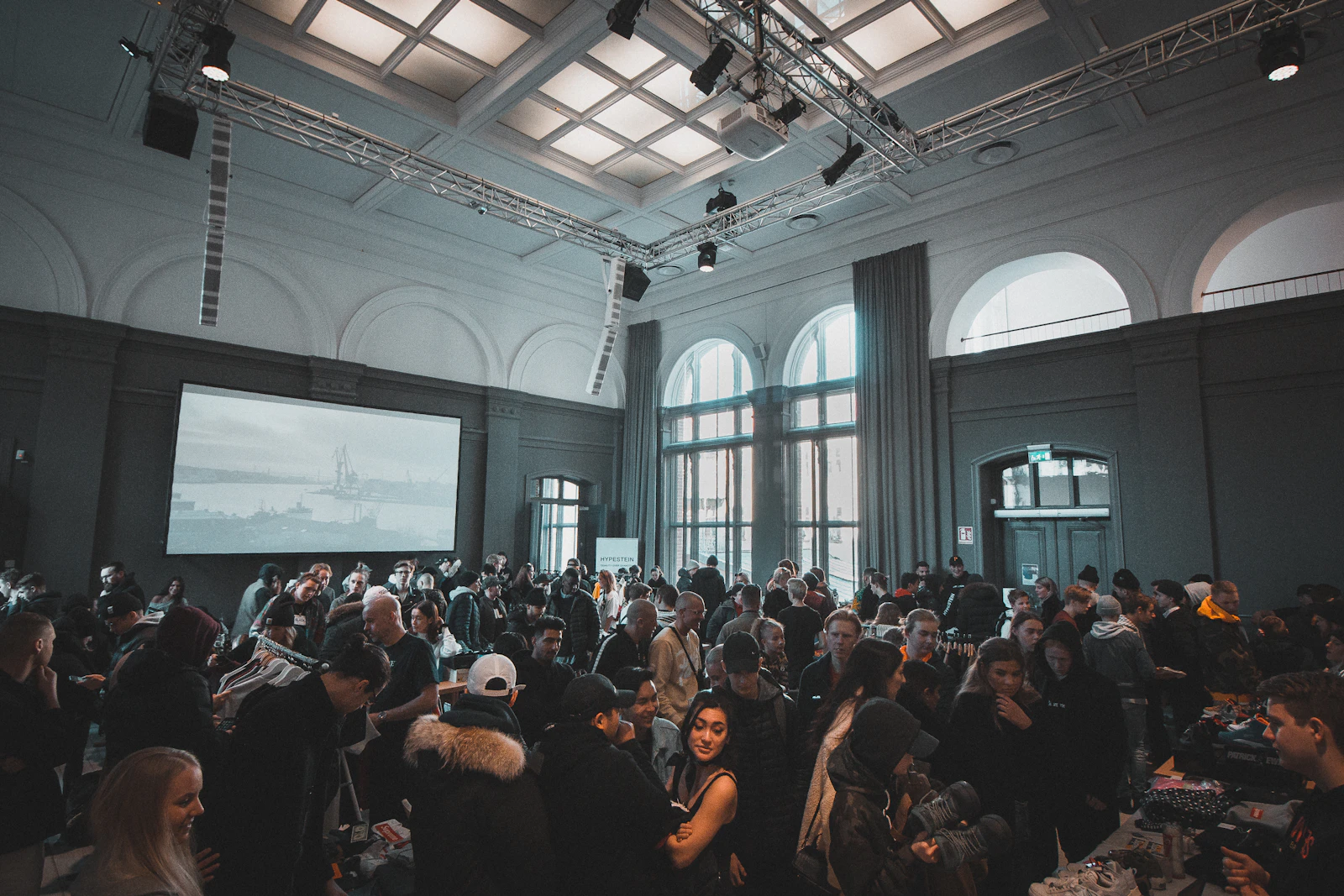
At fifty people the offsite still feels intimate. At one hundred and fifty, it tips: lanyards appear, plenary halls dominate, and a quiet majority drifts into anonymity unless the design fights it deliberately. The job of the planner shifts from arranging a great experience to engineering hundreds of great micro-experiences that happen to take place at the same venue.
We architect every large all-hands around three nested social units: tables of eight for meals, breakouts of twenty for working sessions, and neighborhoods of forty for rooming and ground transport. People bond inside their pod and meet across pods at carefully designed touchpoints — the welcome drinks, the company dinner, the closing ceremony. Read more on the mechanics in our deep-dive on planning a large company offsite.
Logistics is not a back-office concern at this scale; logistics is the design. Ground transfers, dietary handling, room assignments and badge mechanics either disappear into the experience or sabotage it. We build a 24/7 ops channel for every event so a missed connection or a forgotten allergy gets resolved within ten minutes, not ten hours.
The 60/30/10 agenda and why it works
Our default architecture for an all-hands week is sixty percent structured work, thirty percent bonding, and ten percent pure rest. Push past seventy percent work and the team is fried by day three; drift below fifty and people quietly question whether the trip was worth the budget. The mix matters more than the absolute hours.
Inside the work block we sequence carefully: company-wide context first, cross-functional working groups second, decision sessions third, commitments and owners last. By the closing morning every workstream walks out with a one-page output that names what changes, who owns it, and by when. For a worked example you can adapt to your own company, see our offsite agenda template.
Bonding blocks are deliberately optional. Mandatory fun is the fastest way to alienate the introverts who often do your best technical work. We program two or three opt-in tracks per evening — a long dinner for the storytellers, a quiet sound bath for the recoverers, a music night for the extroverts — so everyone finds their version of a great night.
Venues and destinations that actually scale
Not every beautiful place can host two hundred people without feeling crowded. Resort buyouts on the Greek islands, large fincas across Mallorca, Algarve coastal properties and Riviera Maya resorts are our usual answer for groups in the 150-to-400 range. Each gives us a private footprint, multiple meeting rooms, and the ability to design the experience without competing with another company's wedding next door.
Direct flight access matters more at scale than at any other format. A connection that's tolerable for a leadership offsite of twelve becomes a logistical nightmare for an all-hands of two hundred. We pre-screen destinations against the home cities of your team before recommending a shortlist. For a tour of the destinations we lean on, see our guide to the best company offsite locations in Europe.
Measuring whether it worked
Smiley-face surveys on the closing morning tell you the food was good. They do not tell you whether the offsite changed how the company operates. We measure across three layers: sentiment in the first week, behavior at thirty days, and outcomes at ninety. If retention, cross-team unblocks and decisions-shipped haven't moved by quarter-end, the offsite was a vacation.
Our full framework for proving the return is in How to measure the ROI of a company offsite — required reading before you justify next year's budget to the CFO.
Frequently asked
How early should we start planning a large all-hands?
Six months is comfortable, four is workable, three is tight. Our 90-day offsite checklist shows what has to happen at each milestone.
What's a realistic per-person budget?
European destinations land €1,800–€3,200 per person all-in for a 4-night all-hands. See our breakdown of offsite cost per person for the full math.
Do you handle visas and international travel?
Yes. We start visa workflows 90 days out and centralize flights through one travel partner — see international offsite logistics.