
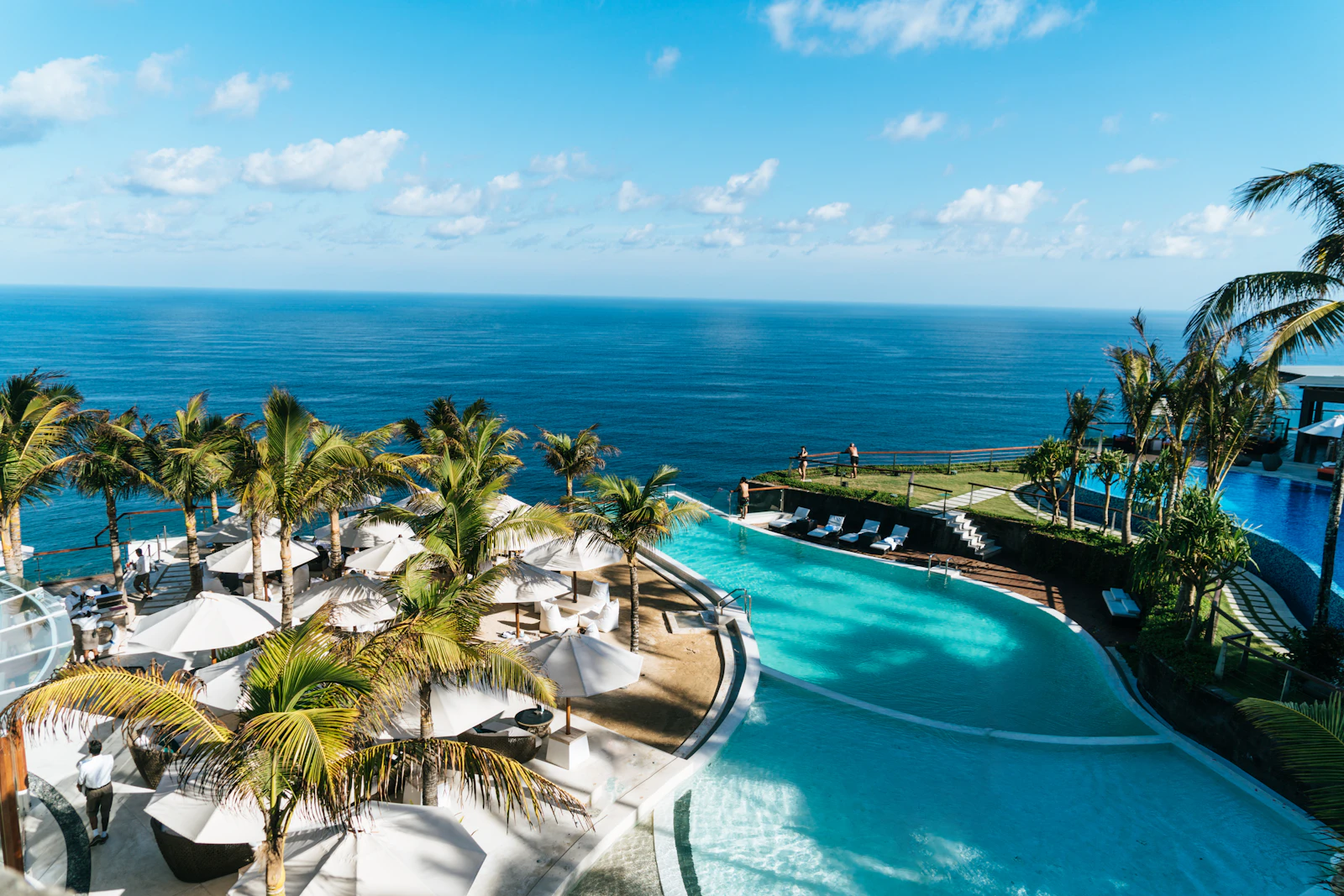
Why incentive trips outperform cash bonuses
Behavioral research has been clear on this for two decades: experiential rewards generate roughly twice the perceived value of cash equivalents and remain salient in memory at least three times longer. The reason is simple — cash dissolves into the rent payment; a trip becomes a story, and the story keeps reinforcing the recognition every time it's retold.
Sales leaders have known this for years through President's Club. The discovery of the last decade has been that the same logic applies to engineering, customer success and operations. Any function with measurable top performance benefits from an annual incentive trip — and most companies still don't run one.
The design rules that separate forgettable from legendary
First, the destination has to feel like a deliberate choice, not a default conference hotel. We lean into specificity: a restored finca in the Tramuntana mountains, a private dhow in Zanzibar, a small palazzo in Florence. The texture of the place is part of the recognition. Our shortlist of best European offsite locations and our Mallorca venues guide are the starting point for most of our incentive plans.
Second, plus-ones change the experience profoundly. Most of your top performers have someone at home who absorbed the cost of the late nights and missed weekends that produced the performance. Inviting them is a recognition of that contribution and dramatically lifts the emotional weight of the trip.
Third, leadership has to show up — and then mostly get out of the way. A short, sincere recognition moment from the founder on night one. After that, leadership is just another guest. The trip belongs to the winners.
Programming the experience
The activity calendar should feel curated, not crammed. Two or three signature moments — a private chef night, a sunset sail, a master-class with someone unexpected — surrounded by deliberately unstructured time. The ratio matters: if every hour is scheduled, the trip starts to feel like a corporate event, and the recognition curdles.
Our taxonomy of team-building activities leans premium and intimate for this format: wine blending with a small Tuscan producer, a private opening of a museum, a sailing regatta on traditional wooden boats. The signal is 'we curated this for you,' not 'we booked the same activity vendor as last year.'
Budget realism
Incentive trips run noticeably above standard offsite budgets — typically €3,500 to €6,500 per person for a four-night European trip with plus-ones. That sounds steep until you compare it to the cost of replacing the top performer it helps you keep. Our piece on offsite budget per person breaks down where the money goes and where it's worth spending more.
Logistics that protect the magic
Nothing kills the recognition faster than a bad transfer experience or a confused arrival. Pre-booked private cars, in-room welcome notes, and a single 24/7 contact for any issues are non-negotiable on an incentive trip. We treat the entire arrival journey as part of the gift. For the operational backbone, see international offsite logistics.
Frequently asked
Should we invite plus-ones?
Almost always yes. Plus-ones substantially increase the emotional weight of the trip and the retention impact.
How big should the group be?
Twelve to forty winners is the sweet spot. Larger and it starts to feel like a sales kickoff; smaller and the energy thins.
Where are the most popular destinations?
Mallorca, Tuscany, the Greek islands, the Algarve and Marrakech for European programs; Riviera Maya and Costa Rica for North American teams.


