
Offsite Icebreakers That Don't Make People Cringe
Offsite icebreakers that build real connection — without trust falls or 'two truths and a lie'.
Most icebreakers are bad. They feel coercive, they expose introverts, and they signal 'this is going to be a long week'. The good news: a few icebreakers actually work — and they share a specific structure.
What separates good icebreakers from bad ones
Good icebreakers are: structured (no free-form 'tell us about yourself'), time-boxed (3 minutes per person, hard limit), opt-in on depth (each person chooses how much to share), and done in pairs or small groups first before any plenary share.
Bad icebreakers are the opposite: open-ended, untimed, public, and forced.
Six icebreakers that actually work
| Icebreaker | Time | Group size | Depth |
|---|---|---|---|
| Lifelines | 20 min | 8–40 | Deep |
| User manual of me | 30 min | 8–60 | Medium |
| Working with me dinner pairings | Dinner | 12–80 | Light |
| Walking 1:1 prompts | 30 min | Any (pairs) | Medium |
| Photo + story | 15 min | 8–24 | Light |
| Highs and lows of the year | 20 min | 8–30 | Medium |
The three to memorise
Lifelines — each person draws their life as a line, marks 5 high and low moments, then shares for 3 minutes in groups of 4. Deep, fast, surprisingly safe.
User manual of me — each person shares how they best receive feedback, how they communicate, and how they recharge. Pays back every week of the rest of the year.
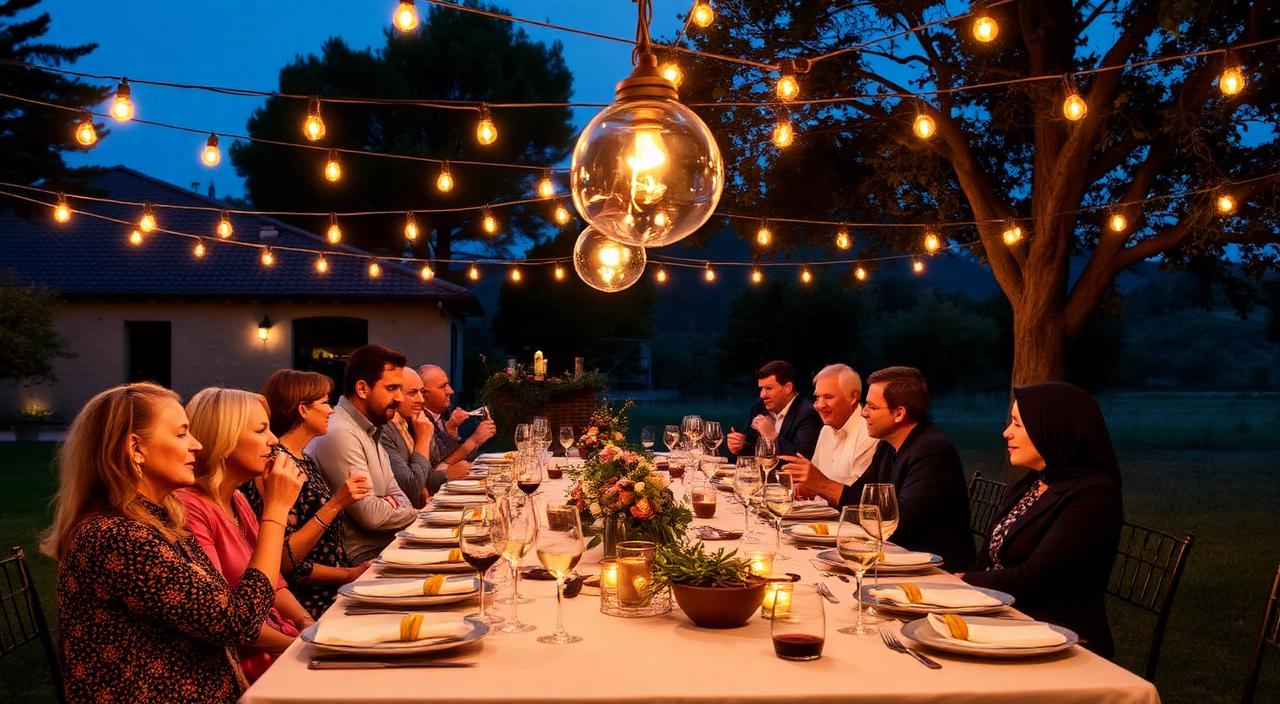
Working with me dinner pairings — seat people next to a colleague they rarely work with. Provide three prompt cards per table. Better than any group game.
Want us to plan your next offsite?
Bondeo handles strategy, venues, logistics and on-site delivery for teams of 15 to 500+. Get 3–5 tailored proposals in 3 days.
Schedule a discovery callRelated retreat formats